Peru Green Travel Blog |  Peru News
  • Home
  • Destinations
  • Inspirations
  • Solo Travel
  • Trip Ideas
  • Travel News
DestinationsFamily Travel

The Best Trekking Routes in Peru for an Unforgettable Adventure Among Mountains, Lagoons, and Natural Landscapes

by admin May 11, 2026
written by admin

The Best Trekking Routes in Peru for an Unforgettable Adventure Among Mountains, Lagoons, and Natural Landscapes

Trekking in Peru is an experience that combines adventure, culture, history, and direct contact with some of the most breathtaking landscapes in South America. Every year, thousands of travelers from around the world visit the country to explore snow capped mountains, turquoise lagoons, ancient trails, and routes surrounded by pure nature.
Thanks to Peru is incredible geographic diversity, there are trekking routes for every level of experience  from short one day hikes to multi day expeditions across the Andes Mountains. In addition, many of these trails allow travelers to discover Andean communities, archaeological sites, and unique ecosystems.
If you are planning an unforgettable adventure, this complete guide will help you discover the best trekking routes in Peru, important travel tips, frequently asked questions, and recommendations to make the most of your journey.

Why Go Trekking in Peru?

Main Reasons to Go Trekking in Peru
1. Spectacular Natural Landscapes
The country offers an incredible variety of scenery:
Snowy mountains
Crystal clear lagoons
Cloud forests
Andean valleys
Deep canyons
Ancient Inca trails
Every route offers completely different landscapes and unforgettable views.
2. Historic Trails and Living Culture
Many trekking routes were built by the Incas centuries ago and still preserve their original essence. Along the way, travelers can also interact with Andean communities that continue to maintain their traditions and lifestyle.
3. Wide Variety of Routes
There are hiking trails for:
Beginners
Intermediate travelers
Experienced trekkers
Adventure seekers
4. Unforgettable Experiences
Trekking in Peru is not just about walking. It is also about disconnecting from stress, breathing fresh mountain air, and reconnecting with nature.


What Are the Best Trekking Routes in Peru?

1. The Inca Trail to Machu Picchu
The Inca Trail is the most famous trekking route in Peru and one of the best hiking experiences in the world.
This ancient trail connects original Inca pathways leading to Machu Picchu, one of the Seven Wonders of the Modern World.
Why Hike the Inca Trail?
Because it combines:
History
Archaeology
Mountain landscapes
Cloud forests
Hidden Inca ruins
During the trek, travelers cross mountains, tunnels, and stone pathways with stunning panoramic views.
How Long Does the Inca Trail Take?
Classic route: 4 days and 3 nights
Short route: 2 days and 1 night
How Difficult Is It?
The difficulty level is moderate to challenging due to:
High altitude
Long hiking distances
Steep stone steps
Do I Need to Book in Advance?
Yes. Permits are limited and often sell out months in advance.
2. Salkantay Trek
The Salkantay Trek is considered one of the best alternatives to the Inca Trail.
This route crosses spectacular landscapes such as:
Snowy peaks
High jungle areas
Rivers
Massive mountains
The highlight of the trek is the impressive Salkantay Mountain.
Why Choose the Salkantay Trek?
Because it offers:
Fewer tourists
Wilder landscapes
Greater connection with nature
A more adventurous experience
How Many Days Does It Take?
Usually:
4 days
5 days
What Is the Highest Point?
The Salkantay Pass reaches over 4,600 meters above sea level.
Is It Suitable for Beginners?
A good physical condition is recommended.
3. Humantay Lake Trek
Humantay Lake is one of the most photographed natural destinations near Cusco.
Its turquoise waters surrounded by snow capped mountains create an unforgettable landscape.
Why Visit Humantay Lake?
Because it is perfect for:
Short hikes
Nature photography
Travelers with limited time
Outdoor tourism
How Long Is the Hike?
Between 1 and 2 hours uphill.
How Difficult Is It?
Moderate due to the altitude.
What Is the Best Season to Visit?
From May to September.
4. Rainbow Mountain Trek
Rainbow Mountain, also known as Vinicunca, has become one of the most visited attractions in Peru.
Its natural colors were formed by mineral layers over millions of years.
What Makes This Mountain Special?
Its incredible natural colors:
Red
Green
Yellow
Orange
The landscape looks like something from another planet.
How Difficult Is the Hike?
Moderate to challenging because of the altitude.
How High Is It?
More than 5,000 meters above sea level.
Important Tips
Acclimatize properly
Walk slowly
Bring enough water
Use sunscreen
5. Huayhuash Mountain Range Trek
The Huayhuash Mountain Range is considered one of the most spectacular trekking routes in the world.
Located in the Peruvian Andes, this expedition offers:
Crystal clear lagoons
Massive mountains
Glaciers
Untouched landscapes
Who Is This Trek Recommended For?
Experienced trekkers and adventure travelers.
How Many Days Does It Take?
Between 8 and 12 days.
What Makes This Route Unique?
The feeling of isolation and extreme natural beauty.
Many adventurers consider it one of the most beautiful treks on Earth.
6. Ausangate Trek
The Ausangate Trek is another spectacular trekking route near Cusco.
The Ausangate Mountain is considered sacred by local Andean communities.
What Will You See on This Route?
Snowy mountains
Colorful lagoons
Hot springs
Alpacas and llamas
How Many Days Does It Take?
Between 4 and 6 days.
Is It Difficult?
Yes. Good physical condition and altitude acclimatization are necessary.


What Is the Best Time for Trekking in Peru?

The best season for trekking in Peru is during the dry season.
Recommended Season
May to September
During these months, travelers enjoy:
Less rain
Better visibility
Safer trails
More stable weather
Can You Trek During the Rainy Season?
Yes, but some trails may become more difficult and dangerous.
The rainy season usually lasts from November to March.
How to Prepare for Trekking in Peru
Preparation is essential for a safe and enjoyable adventure.
1. Acclimatization
Most trekking routes are located at high altitudes.
It is recommended to:
Rest for 1 or 2 days before hiking
Drink plenty of water
Avoid alcohol during the first days
2. Physical Training
Travelers should prepare with:
Practice hikes
Cardiovascular exercises
Endurance training
3. Hire Authorized Tour Operators
Traveling with professional trekking agencies improves safety and overall experience.
What Should You Pack for Trekking in Peru?
Recommended Packing List
Clothing
Waterproof jacket
Thermal clothing
Gloves
Warm hat
Trekking socks
Equipment
Comfortable backpack
Trekking poles
Headlamp
Water bottle
Protection
Sunscreen
Sunglasses
Insect repellent
Other Essentials
Energy snacks
Camera
Basic first aid kit


Frequently Asked Questions About Trekking in Peru
Is Trekking in Peru Dangerous?

No, as long as travelers:
Follow official routes
Hire guides
Respect safety recommendations
The biggest challenge is usually the altitude.
What Is the Best Trek for Beginners?
The best beginner friendly routes include:
Humantay Lake
Rainbow Mountain
Short hikes near Cusco
What Is the Most Difficult Trek?
Huayhuash and Ausangate are considered highly demanding routes.
How Much Does Trekking in Peru Cost?
Prices depend on:
Trek duration
Tour type
Included services
There are both budget friendly and luxury trekking options available.
Health Benefits of Trekking
Besides being an incredible adventure, trekking offers many health benefits.

Physical Benefits
Improves endurance
Strengthens muscles
Enhances cardiovascular health
Mental Benefits
Reduces stress
Improves mood
Helps reconnect with nature
Sustainable Tourism and Responsible Trekking
Protecting natural landscapes during every trek is extremely important.
Recommendations
Do not leave trash behind
Respect wildlife and plants
Stay on official trails
Support local communities
Responsible tourism helps preserve the natural beauty of Peru for future generations.
Conclusion
The best trekking routes in Peru offer unforgettable adventures among mountains, lagoons, and breathtaking natural landscapes. From the legendary Inca Trail to the extreme adventures of Huayhuash and Ausangate, every route allows travelers to experience the incredible natural and cultural beauty of the country.
If you are looking for adventure, connection with nature, and unforgettable experiences, trekking in Peru will become one of the greatest journeys of your life.

______________________________________________________________________________________________________________________________________


May 11, 2026 0 comments
0 FacebookTwitterPinterestEmail
Uncategorized

Luxury Cusco Exclusive Experiences and Personalized Travel in the Heart of the Peruvian Andes

by admin May 7, 2026
written by admin

Luxury Cusco: Exclusive Experiences and Personalized Travel in the Heart of the Peruvian Andes

Why Has Cusco Become One of South America’s Most Exclusive Luxury Destinations?

Cusco is not only the former capital of the Inca Empire; today, it is also one of the top destinations for travelers seeking luxury tourism in Peru. Its unique combination of ancient history, boutique hotels, fine dining, private experiences, and breathtaking Andean landscapes creates unforgettable journeys.

Traveling through luxury Cusco means discovering the magic of the Andes with exclusive services, personalized itineraries, and premium attention to detail. From private tours to Machu Picchu to gourmet dinners in colonial mansions, the city offers a sophisticated experience for discerning travelers.

In recent years, high end tourism in Cusco has grown significantly due to the increasing demand for authentic and tailor-made experiences. Visitors are no longer looking only to see famous attractions; they want meaningful moments, cultural connections, and exceptional comfort.

What Luxury Experiences Can You Enjoy in Cusco?

Exclusive experiences in Cusco go far beyond traditional tours. Today, there are customized options specially designed for VIP travelers seeking privacy, comfort, and authenticity.


Private Tours to Machu Picchu

One of the most requested experiences is a private journey to Machu Picchu. These services often include first-class transportation, expert guides, and flexible schedules to avoid crowds.

Many travelers choose luxury train experiences to Machu Picchu, where they enjoy gourmet cuisine, live music, and panoramic views of the Peruvian Andes. Upon arrival, they can explore the Inca citadel with a specialized historian or archaeologist.

Fine Dining and Gourmet Cuisine

Cusco is also renowned for its luxury gastronomy. Exclusive restaurants combine Andean ingredients with international culinary techniques to create world class dining experiences.

Many chefs work with local products such as quinoa, giant corn, native potatoes, and alpaca meat, delivering authentic and sophisticated flavors.


What Are the Best Luxury Hotels in Cusco?

Accommodation is an essential part of any premium journey. Cusco offers five-star hotels and exclusive boutique properties that blend elegance, history, and comfort.

Many luxury hotels are located in beautifully restored colonial mansions featuring original Inca stone walls and historical architectural details.

What Do Boutique Hotels in Cusco Offer?

Luxury hotels in Cusco often include:

  • Suites with panoramic views
  • Andean spas and ancestral treatments
  • Personalized 24-hour service
  • Gourmet dining experiences
  • Private cultural activities
  • VIP transportation services

Some properties also provide private Andean ceremonies, Peruvian cooking classes, and wellness experiences inspired by Inca traditions.

Is It Worth Staying in the Sacred Valley?

Absolutely. The Sacred Valley of the Incas is one of the most exclusive destinations for travelers seeking tranquility and a deep connection with nature.

Here, visitors can find luxury lodges surrounded by mountains, rivers, and spectacular scenery. Many travelers choose to spend several days in the Sacred Valley before visiting Machu Picchu.

How Can You Organize a Personalized Trip to Cusco?

Personalized trips to Cusco are ideal for travelers who want itineraries tailored to their interests, schedule, and travel style.

Today, luxury travel agencies offer fully customized services designed around each client’s preferences.


What Does a Personalized Itinerary Include?

An exclusive journey may include:

  • Private transportation
  • Specialized bilingual guides
  • Priority reservations
  • Private culinary experiences
  • Exclusive cultural activities
  • Wellness and spa services
  • Premium adventures in the Andes

The greatest advantage of a personalized itinerary is flexibility. Every detail is arranged to guarantee comfort, privacy, and unforgettable experiences.

Is It Recommended to Hire a Luxury Travel Concierge?

Yes. A luxury concierge can coordinate reservations, itinerary changes, special events, and personalized requests throughout the trip.

This type of service is highly valued by international travelers who want to enjoy their vacation without worrying about logistics.


What Exclusive Activities Can Be Enjoyed in the Sacred Valley?

The Sacred Valley is one of Peru is most fascinating destinations. Its spiritual energy, natural beauty, and living culture make it perfect for luxury experiences.

Luxury Glamping in the Andes

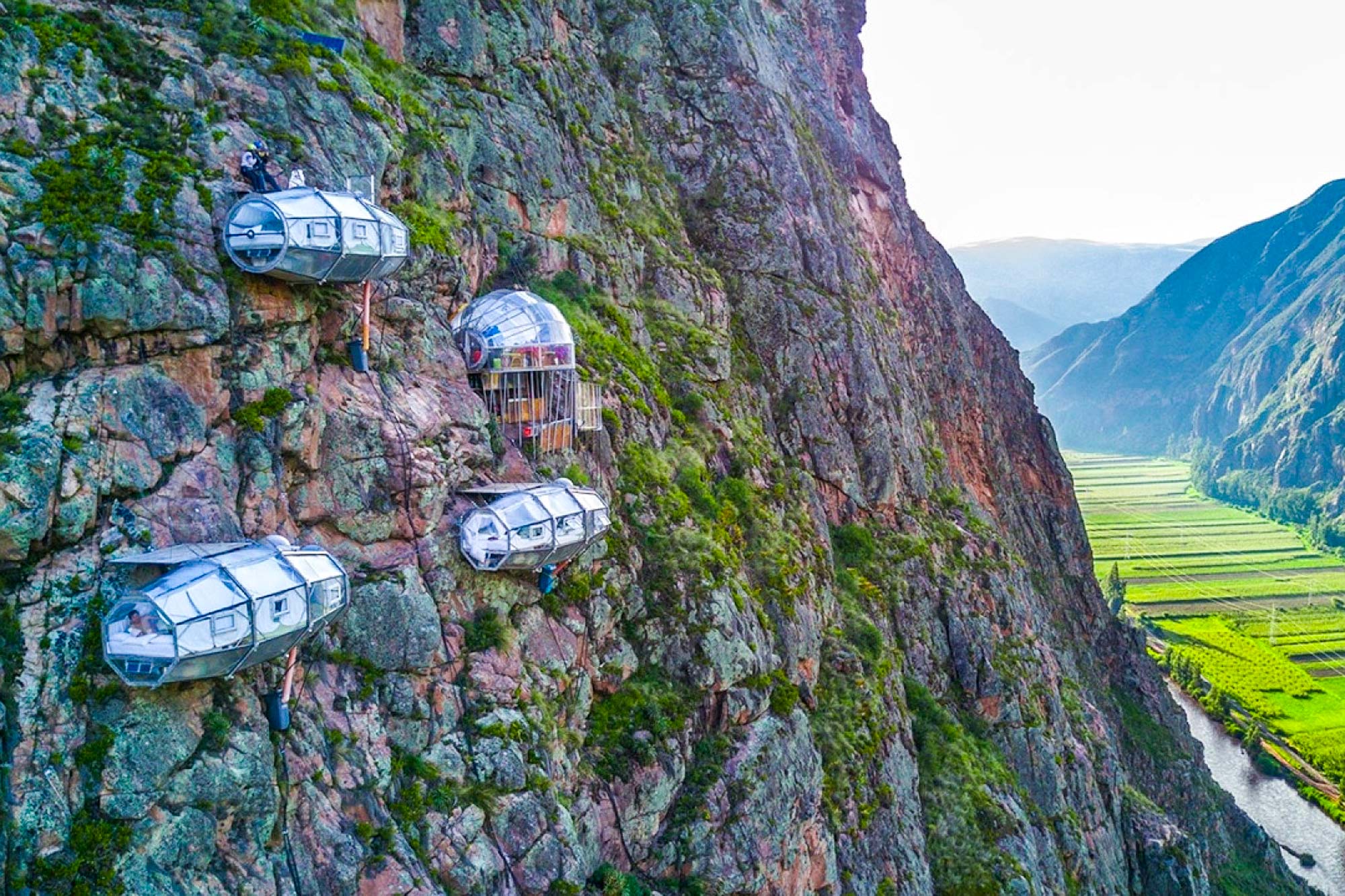
Premium glamping combines adventure and comfort. Travelers can sleep under the stars in exclusive domes equipped with luxury beds, private jacuzzis, and stunning mountain views.

This experience is ideal for couples and travelers seeking complete disconnection in the heart of nature.

Private Andean Ceremonies

Many luxury experiences include ancestral ceremonies guided by Andean spiritual masters. These activities allow visitors to connect with local spirituality and ancient traditions.

Horseback Riding and Gourmet Picnics

Another exclusive activity is exploring the Sacred Valley on horseback while enjoying a gourmet picnic surrounded by majestic mountains.

Premium services often include a private chef, selected wines, and specially prepared scenic locations.

Why Does Machu Picchu Remain the Ultimate Icon of Luxury Tourism in Peru?

Machu Picchu is one of the world’s most desired destinations. Its beauty, mystery, and historical significance attract thousands of visitors every year.

However, luxury tourism has transformed the way travelers experience this world wonder.

How Can You Enjoy an Exclusive Experience in Machu Picchu?

There are many premium options available:

  • Entry during strategic hours
  • Private archaeological guides
  • Luxury train journeys
  • Professional photography services
  • Gourmet lunches
  • Five-star hotels near the citadel

Some travelers even combine their visit with wellness retreats and spiritual experiences in the Andes.

What Is the Best Time to Visit Machu Picchu?

The dry season, between May and September, is considered ideal for clear skies and spectacular views.

However, many travelers prefer less crowded months to enjoy a more private and peaceful experience.

What Makes Luxury Tourism in Cusco Unique?

Luxury in Cusco is not defined only by five-star hotels or exclusive services. What truly sets this destination apart is the opportunity to enjoy authentic experiences in a historical and spiritual environment unlike anywhere else.

Here, luxury means:

  • Cultural connection
  • Personalized attention
  • Privacy
  • Holistic wellness
  • Exceptional gastronomy
  • Unique landscapes

Cusco allows travelers to combine adventure, history, relaxation, and sophistication in one extraordinary journey.

Additionally, visitors can fully customize their experience, from private expeditions to wellness retreats in the Andes.

Is a Luxury Trip to Cusco Worth It?

For travelers seeking unforgettable experiences, the answer is definitely yes. A luxury trip to Cusco offers comfort, exclusivity, and privileged access to some of the world’s most impressive destinations.

The opportunity to explore Machu Picchu in a personalized way, stay in historic luxury hotels, and enjoy world-class Peruvian cuisine makes every moment exceptional.

Cusco is not just a travel destination; it is a transformative experience that combines culture, nature, and luxury in the heart of the Peruvian Andes.

Conclusion

Luxury Cusco represents a new way of traveling through Peru. It is no longer just about visiting famous landmarks, but about living deep, authentic, and completely personalized experiences.

From boutique hotels to private tours of Machu Picchu, premium tourism in Cusco continues to position itself as one of the best choices for international travelers seeking exclusivity and cultural connection.

If you want to discover the Peruvian Andes with maximum comfort and personalized attention, Cusco is the perfect destination for an unforgettable luxury experience.


May 7, 2026 0 comments
0 FacebookTwitterPinterestEmail
DestinationsFamily Travel

Sandboarding in Huacachina experience maximum adrenaline sliding down the dunes of the Peruvian desert

by admin April 26, 2026
written by admin

Sandboarding in Huacachina: experience maximum adrenaline sliding down the dunes of the Peruvian desert

Sandboarding in Huacachina is one of the most exciting experiences you can have in Peru. This small oasis surrounded by massive sand dunes has become a must visit destination for travelers seeking adventure, unique landscapes, and adrenaline filled activities. If you are planning a trip, here is a complete guide with frequently asked questions, useful tips, and key insights to make the most of this unforgettable experience.

What is sandboarding in Huacachina?

Sandboarding in Huacachina is an adventure sport that involves riding down desert dunes on a specially designed board. It is similar to snowboarding, but instead of snow, you glide over warm golden sand.

Many travelers ask: Is sandboarding difficult?
Not necessarily. There are different levels, from beginners who ride lying down on the board to more experienced riders who stand up and perform tricks.


Where is Huacachina and why is it so popular?

Huacachina is located near the city of Ica, just a few hours from Lima. It is known as the only natural oasis in South America, surrounded by towering dunes that are perfect for sandboarding and buggy rides.

Why is Huacachina famous for sandboarding?

Because its dunes are high, steep, and ideal for thrilling rides, offering breathtaking views of the Peruvian desert.

What is the sandboarding experience like in the Peruvian desert?

The adventure usually starts with a buggy ride across the dunes. These powerful off road vehicles race up and down the sand hills, adding an extra dose of excitement.

So, how do you do sandboarding in Huacachina?

Guides provide a board and basic instructions. You can choose between:

  • Riding lying down (perfect for beginners)
  • Sitting for more control
  • Standing up for a more advanced experience

Sliding down the dunes is fast, fun, and safe when done with professional guides.

When is the best time to go sandboarding in Huacachina?

A common question is: When should I visit Huacachina for sandboarding?

The good news is that you can do sandboarding all year round. However, the best months are usually from May to October, when the weather is cooler.

Also consider:

What time of day is best?

  • Sunset: amazing views and cooler temperatures
  • Morning: less heat and fewer crowds

How much does sandboarding in Huacachina cost?

Another key question: How much does sandboarding cost in Peru?

Most tours include:

  • Buggy ride
  • Sandboard
  • Professional guide

Prices vary depending on the tour operator, but overall, Huacachina is an affordable destination for adventure lovers.


Is sandboarding in Huacachina safe?

Safety is a common concern: Is sandboarding dangerous?

In general, it is safe if you:

  • Follow your guide’s instructions
  • Use proper equipment
  • Avoid advanced tricks without experience

Organized tours follow safety standards and have experienced drivers.

What should you bring for sandboarding?

If you’re wondering what to pack for sandboarding in Huacachina, here’s a basic list:

  • Comfortable, lightweight clothing
  • Sunglasses
  • Sunscreen
  • Closed-toe shoes
  • Water
  • Camera or phone protected from sand

The desert can get very hot, so being prepared is important.

Do you need experience to go sandboarding?

Another frequent question: Can beginners try sandboarding?

Yes! Most visitors have no prior experience. Guides tailor the activity to your level, making it accessible and enjoyable for everyone.


What else can you do in Huacachina?

Beyond sandboarding, travelers often ask: What else is there to do in Huacachina?

Some options include:

  • Dune buggy rides
  • Watching the sunset over the desert
  • Walking around the oasis
  • Visiting vineyards in Ica

This makes Huacachina a well rounded destination for both adventure and relaxation.

How do you get to Huacachina from Lima?

Another key question: How to get to Huacachina from Lima?

You can travel by:

  • Bus: affordable and comfortable
  • Private car: more flexibility
  • Organized tour: includes transport and activities

The journey usually takes about 4 to 5 hours.

Is sandboarding in Huacachina worth it?

Finally: Is Huacachina worth visiting?

Absolutely. Sandboarding in Huacachina offers a perfect mix of adventure, stunning landscapes, and unforgettable moments in the Peruvian desert.

Conclusion: an unforgettable adventure in Peru

Sandboarding in Huacachina is a must-do activity when visiting Peru. Whether you’re traveling solo, with friends, or as a couple, this experience will give you adrenaline, incredible scenery, and lasting memories.

If you’re looking for adventure in Peru and something truly unique, Huacachina is the perfect destination. Now that you know everything, there’s just one question left: are you ready to ride the dunes and feel the adrenaline?

______________________________________________________________________________________________________________________________________


April 26, 2026 0 comments
0 FacebookTwitterPinterestEmail
Uncategorized

Peru Cultural Ancestral Traditions, Vibrant Festivities, and Living History

by admin April 19, 2026
written by admin

Peru Cultural Ancestral Traditions, Vibrant Festivities, and Living History

Peru is much more than just a travel destination; it is a country where history breathes in every corner, where ancestral traditions are still alive, and where festivities fill each city and community with color and energy. If you are looking for a place that combines culture, history, and authentic experiences, Peru is an unmatched choice. But what makes Peruvian culture so special? Why do thousands of travelers become fascinated by its traditions and celebrations?

A Millenary Cultural Legacy

Peru is cultural richness has deep roots that go back to pre Inca civilizations such as Caral, Nazca, and Moche, reaching its peak with the Inca Empire. This historical legacy is not only preserved in impressive archaeological sites but also in the daily lives of its people.

Today, many communities continue to preserve their customs, languages, and social organization. Quechua and Aymara, for example, are still spoken by millions of people. Can you imagine visiting a place where history is not only found in museums, but also in everyday life?

Ancestral Traditions Still Alive

One of the most fascinating aspects of Peru is how its traditions have endured over time. From traditional clothing to agricultural practices, many customs have been passed down from generation to generation.

In the Andes, for example, it is common to see communities still using ancestral agricultural techniques such as terraces. In addition, rituals like offerings to Pachamama (Mother Earth) reflect a deep spiritual connection with nature.

Did you know that in many regions of Peru, ancestral ceremonies are still performed to give thanks for the harvest? These practices have not only cultural value but also spiritual and communal significance.

Vibrant Festivities That Bring the Country to Life

Peru is known for its colorful and energetic festivities. Throughout the year, hundreds of celebrations take place, blending indigenous, colonial, and modern elements.

One of the most iconic is Inti Raymi, the ancient Inca festival of the sun, celebrated every year in Cusco. Other major celebrations include the Virgen de la Candelaria in Puno, considered one of the largest festivals in South America, and Carnival, which is celebrated with great enthusiasm in various regions of the country.

These festivities are not only a visual spectacle but also an opportunity to understand Peru’s cultural identity. Would you like to dance to traditional rhythms or taste local dishes during a community celebration?

Gastronomy: A Unique Cultural Expression

Peruvian cuisine is another fundamental pillar of its culture. Internationally recognized, it combines native ingredients with Spanish, African, and Asian influences, creating a diverse and delicious culinary tradition.

Dishes such as ceviche, lomo saltado, and pachamanca are not only flavorful but also tell stories about the country’s past and diversity. Additionally, each region has its own culinary specialties.

Have you ever wondered how a dish can reflect a country’s history? In Peru, every recipe is a reflection of its cultural richness.

Handicrafts: The Art of Storytelling

Peruvian handicrafts are an artistic expression that reflects the country’s cultural identity. From textiles to ceramics, each piece carries meaning and tells a story.

Andean textiles, for example, are not only beautiful but also communicate information about the community, social status, and beliefs of the artisan. The colors, symbols, and techniques used have been passed down for centuries.

Have you ever thought about taking home a souvenir with real cultural value? Peruvian handicrafts offer exactly that: unique pieces filled with history.

Cultural Diversity in Every Region

Peru is a diverse country, and this is reflected in its different regions: coast, highlands, and jungle. Each has its own cultural identity, traditions, and way of life.

On the coast, Afro Peruvian and Creole influences are prominent; in the highlands, Andean heritage is stronger; and in the jungle, Amazonian communities preserve unique traditions connected to nature.

This diversity makes traveling through Peru an enriching experience. What type of culture would you like to explore: Andean, Amazonian, or coastal?

Living History in Every Corner

One of Peru is greatest attractions is that its history is still alive. It is not just about ancient ruins, but about a cultural continuity visible in music, dance, clothing, and traditions.

In cities like Cusco, for example, it is common to see how the ancient and the modern coexist in harmony. Inca streets, colonial churches, and contemporary life blend in the same space.

Would you like to walk through streets where every stone holds centuries of history? Peru offers that unique experience.

Cultural Tourism: A Transformative Experience

Cultural tourism in Peru is not just a way of traveling, but a way to learn, connect, and transform. Unlike conventional tourism, this type of travel allows you to interact with local communities, learn about their traditions, and understand their way of life.

Many travelers seek authentic experiences, and Peru offers exactly that. From participating in traditional ceremonies to learning artisanal techniques, the possibilities are endless.

Are you ready to experience a journey that goes beyond the surface? Cultural tourism in Peru invites you to discover a reality full of history and meaning.

Conclusion

Peru is a destination that captivates with its cultural richness, ancestral traditions, and vibrant festivities. It is a country where history is not only observed but lived in every moment.

Whether exploring ancient civilizations, participating in local celebrations, or enjoying its exquisite cuisine, Peru offers a unique experience that leaves a lasting impression.

So, the question is: are you ready to discover cultural Peru and immerse yourself in a living history that continues to thrive?

April 19, 2026 0 comments
0 FacebookTwitterPinterestEmail
DestinationsFamily Travel

Before Traveling to Perú Mandatory Requirements, Documentation, and Tips for Tourists

by admin April 4, 2026
written by admin

Before Traveling to Perú: Mandatory Requirements, Documentation, and Tips for Tourists.

Traveling to Peru is a unique experience that combines ancient history, breathtaking landscapes, and one of the best cuisines in the world. From the majesty of Machu Picchu to the vibrant energy of Lima, this destination attracts millions of travelers every year. However, before packing your bags, it is essential to understand the requirements to travel to Peru, the necessary documentation, and some key tips to ensure a smooth and safe trip.

In this complete guide, you’ll find everything you need to know, along with answers to the most frequently asked questions by travelers.

What are the mandatory requirements to travel to Peru?

One of the most important aspects of planning your trip is making sure you meet Peru is immigration requirements. These may vary depending on your nationality, but generally include:


Valid passport

To enter Peru, you need a valid passport. In most cases, it is recommended that it be valid for at least 6 months from your date of entry.

Visa (depending on nationality)

Many countries in the Americas and Europe do not require a visa for short tourist stays (usually up to 90 days). However, you should always verify whether your country requires a visa before traveling.

Andean Migration Card (TAM)

This is now issued digitally upon entry. It is important to keep your migration record, as you will need it when leaving the country

Do you need vaccines to travel to Peru?

There are no mandatory vaccines required to enter Peru in most cases. However, the following are recommended:

  • Yellow fever vaccine (especially if visiting the Amazon region)
  • Routine vaccines (tetanus, hepatitis A and B)

If you plan to visit jungle areas, taking extra health precautions is advised.

What additional documents are recommended?

While not always mandatory, these documents can make your trip easier:

  • Return or onward ticket
  • Hotel reservation or accommodation details
  • International travel insurance
  • Proof of sufficient funds

Having these ready can help avoid issues at immigration control.

How much money do you need to travel to Peru?

Your budget will depend on your travel style. Peru offers options for every type of traveler:

  • Budget traveler: $25 – $40 USD per day
  • Mid-range traveler: $50 – $100 USD per day
  • Luxury traveler: $150+ USD per day

Tourist cities like Cusco tend to be more expensive than other regions.


What is the best time to travel to Peru?

Peru has a diverse climate:

  • May to September: Dry season (ideal for visiting Machu Picchu)
  • November to March: Rainy season (fewer tourists but variable weather)

The best time depends on the destinations you plan to visit.

Important travel tips before visiting Peru

Altitude acclimatization

If you visit places like Cusco, you may experience altitude sickness. It is recommended to rest on your first day, stay hydrated, and avoid heavy meals.

 Currency exchange

The official currency is the Peruvian sol. You can exchange money at exchange offices or withdraw from ATMs.

 Safe transportation

Use authorized taxis or ride hailing apps for safety.

Food and gastronomy

Don’t miss trying ceviche, lomo saltado, and other traditional dishes, especially in Lima.


Frequently Asked Questions about traveling to Peru

Do I need a visa to travel to Peru?

It depends on your nationality. Many countries do not require a visa for tourism, but it is best to check with the Peruvian embassy.

Is it safe to travel to Peru?

Yes, Peru is a popular tourist destination. Like anywhere, basic precautions are recommended, especially in crowded areas.

Can I travel solo to Peru?

Yes, Peru is a great destination for solo travelers thanks to its tourism infrastructure and variety of activities.

What language is spoken in Peru?

Spanish is the official language, but indigenous languages like Quechua are also spoken.

Is travel insurance necessary?

It is not mandatory, but highly recommended to cover medical emergencies or unexpected situations.

What plugs are used in Peru?

Peru uses Type A and C plugs, with a voltage of 220V.

Conclusion

Traveling to Perú is an unforgettable experience, but it requires proper planning. Understanding the requirements to travel to Peru, preparing your documentation, and following key travel tips will help you make the most of your adventure.

Whether you want to explore the history of Machu Picchu, walk through the streets of Lima, or discover Andean culture in Cusco, this country has something special for every traveler.

______________________________________________________________________________________________________________________________________


April 4, 2026 0 comments
0 FacebookTwitterPinterestEmail
DestinationsFamily Travel

Traveling to Cusco The Experience That Will Mark a Before and After

by admin March 28, 2026
written by admin

Traveling to Cusco: The Experience That Will Mark a Before and After

Traveling to Cusco is not just about visiting a tourist destination it is about living a transformative experience that leaves a lasting impact. Known as the ancient capital of the Inca Empire, this city blends history, culture, nature, and adventure in one place. If you are planning your next trip, here’s why Cusco can truly mark a before and after in your life.

Why is traveling to Cusco a unique experience?


Cusco is one of the most fascinating destinations in the world not only because of its historical richness, but also because of the special energy travelers often feel when walking through its cobblestone streets and archaeological sites.

From the moment you arrive, you’ll notice the mix of ancient and modern. Colonial churches built on top of Inca temples, vibrant markets, and traditions that remain alive make this place truly incomparable.

Additionally, Cusco is the gateway to one of the world’s wonders: Machu Picchu, a destination that alone is worth the journey.

What places should you visit in Cusco?

One of Cusco is biggest attractions is the variety of incredible places you can explore in just a few days. Here are some must-see spots:

Machu Picchu: the jewel of Peru and one of the New Seven Wonders of the World.
Sacred Valley of the Incas: full of stunning landscapes, traditional villages, and archaeological sites.
Rainbow Mountain: famous for its vibrant colors and breathtaking views.
Humantay Lake: a turquoise lake surrounded by snow capped mountains.
Sacsayhuamán: an impressive archaeological complex near the city.

Each of these places offers a different experience, from spiritual connection to pure adventure.

What is the best time to travel to Cusco?

One of the most common questions is: when should you visit Cusco?

The best time to visit Cusco is during the dry season, from May to September. During these months, you’ll enjoy clear skies perfect for exploring and photography.

However, the rainy season (November to March) also has its charm. The landscapes become greener and there are fewer tourists, allowing for a more peaceful experience.

So which should you choose? It depends on your travel style: adventure with great weather or tranquility with fewer crowds.


How do you adapt to the altitude in Cusco?

Cusco sits at over 3,400 meters (10,800 feet) above sea level, so proper acclimatization is important.

Here are some key tips:

Rest on your first day
Drink coca tea, a traditional remedy
Avoid heavy meals upon arrival
Stay hydrated
Start with light activities before intense tours

Adapting well will help you fully enjoy your trip without discomfort.

What to do in Cusco besides Machu Picchu?

Although Machu Picchu is the main attraction, Cusco has much more to offer.

You can explore the historic center, visit museums, enjoy local cuisine, or take part in unique cultural experiences. There are also community-based tourism options where you can connect with local traditions.

Another popular activity is trekking, such as the famous Inca Trail, a route filled with history and spectacular scenery.


How much does it cost to travel to Cusco?

The cost of traveling to Cusco varies depending on the type of experience you’re looking for:

Budget travel: basic accommodations, local food, and group tours
Mid range travel: comfortable hotels and organized tours
Luxury travel: personalized experiences, premium trains, and high end hotels

Cusco is a versatile destination that adapts to different budgets, making it even more appealing.

What should you eat in Cusco?

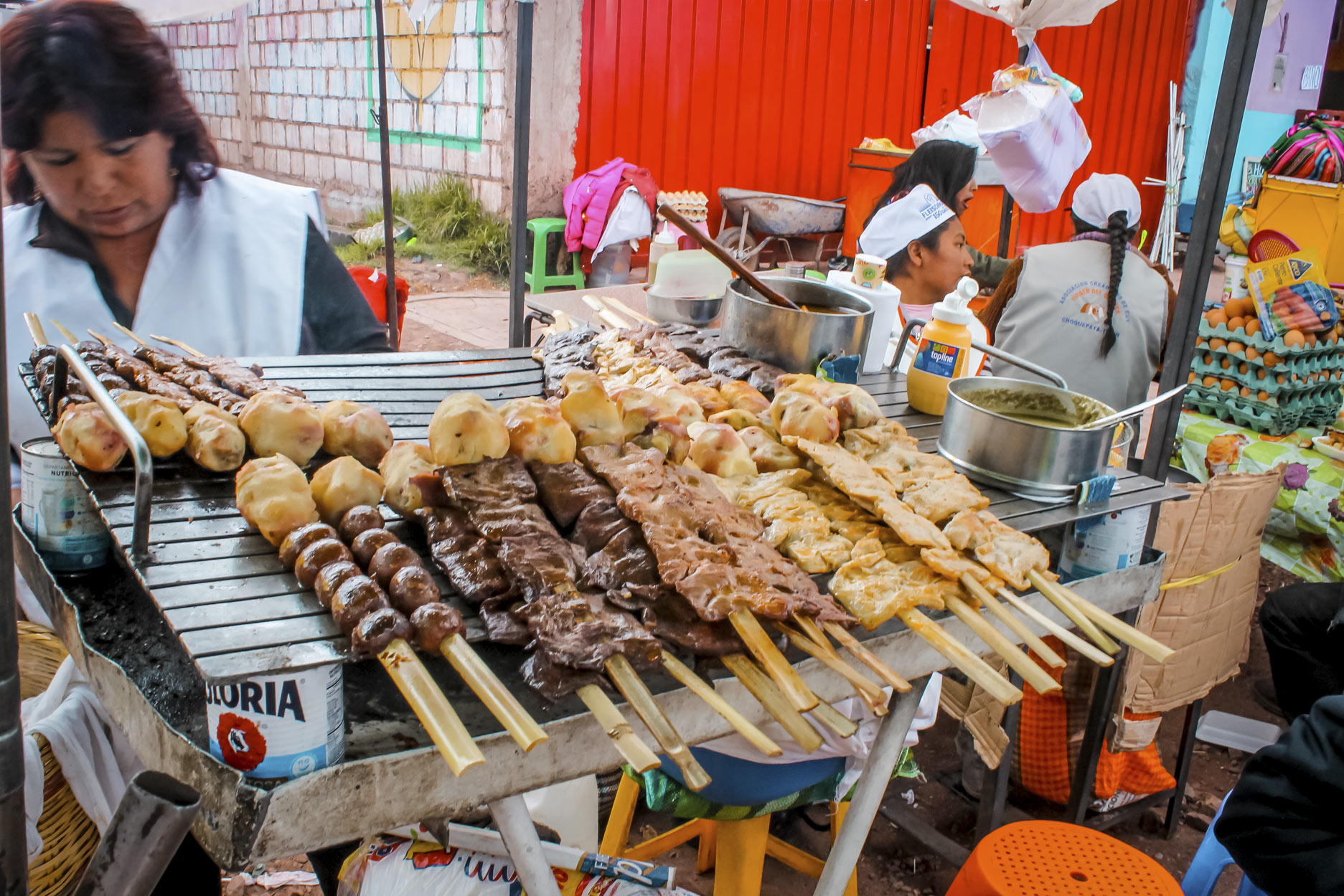
Cusco is gastronomy is another highlight of the trip. You’ll find traditional dishes full of flavor and history.

Some must-try foods include:

Roasted guinea pig (cuy)
Lomo saltado
Aji de gallina
Quinoa soup

You’ll also discover a unique fusion of Andean and modern cuisine that surprises many visitors.

Is it safe to travel to Cusco?

Another frequent question: is Cusco safe for tourists?

In general, yes. Cusco is one of Peru’s most popular tourist destinations and has solid infrastructure for travelers. As with any destination, basic precautions are recommended:

Avoid displaying valuable items
Use authorized transportation
Keep your belongings secure

Following these tips will help ensure a smooth and safe trip.

Why does Cusco change lives?

What truly makes Cusco special is not just what you see, but what you feel.

Walking through ancient Inca streets, admiring breathtaking landscapes, and connecting with a millennia old culture creates a deep and meaningful experience. Many travelers say that visiting places like Machu Picchu leads them to reflect on life, history, and their place in the world.

It’s a destination that invites you to disconnect from everyday stress and reconnect with yourself.

Is traveling to Cusco worth it?

Absolutely. Traveling to Cusco is much more than tourism it is an enriching, exciting, and life changing experience.

Whether you’re looking for adventure, culture, nature, or personal growth, Cusco has something for you.

Conclusion.

Traveling to Cusco is truly an experience that can mark a before and after in your life. From the majesty of Machu Picchu to the warmth of its people, every moment becomes an unforgettable memory.

If you’re searching for a journey that combines history, adventure, and personal transformation, Cusco is the perfect destination.

______________________________________________________________________________________________________________________________________
 

March 28, 2026 0 comments
0 FacebookTwitterPinterestEmail
DestinationsFamily Travel

The Most Impressive Inca Ruins You Must Visit in Peru A Complete Travel Guide

by admin March 22, 2026
written by admin

The Most Impressive Inca Ruins You Must Visit in Peru: A Complete Travel Guide.

Peru is a destination that sparks curiosity among travelers from all over the world, and much of its appeal lies in the legacy of the Inca Empire. Its ruins are not just archaeological remains, but true masterpieces of engineering, architecture, and spiritual connection with nature. If you’re planning a trip, visiting the main Inca ruins is an essential experience.

In this guide, we show you the most important ones, what makes them unique, and how to visit them.

Why visit Inca ruins in Peru?

Inca ruins are much more than ancient stones. They represent an advanced civilization that dominated much of South America without modern tools. Their architectural precision, agricultural terraces, and harmony with the natural environment continue to amaze visitors today.

Additionally, visiting these places allows you to connect with Peru is history, culture, and living traditions.


Machu Picchu: The jewel of the Inca Empire

You can’t talk about Inca ruins without mentioning Machu Picchu. This citadel, located high in the Andes, is considered one of the New Seven Wonders of the World.

Built in the 15th century, Machu Picchu stands out for its architectural perfection, agricultural terraces, and strategic location. Many travelers ask:

Is Machu Picchu worth visiting?

Absolutely. It is a unique experience that combines history, nature, and spirituality.

When is the best time to visit?

From May to September, during the dry season.

Sacsayhuamán: The monumental fortress

Located near Cusco, Sacsayhuamán is famous for its massive stone blocks, some weighing over 100 tons, perfectly fitted together.

How did the Incas build something like this?

This remains one of the great unanswered questions. Its precision continues to be a mystery.

This site is also the stage for important festivals such as Inti Raymi.

Ollantaytambo: A living Inca town

Ollantaytambo is one of the few places where you can still see an inhabited Inca town. Its cobblestone streets and water channels are still in use today.

What makes Ollantaytambo special?

Its combination of living history and original architecture makes it truly unique.

It is also a starting point for trips to Machu Picchu.

Pisac: History and breathtaking landscapes

Pisac combines archaeological ruins with one of the most famous artisan markets in Peru.

Is Pisac worth visiting?

Yes, especially if you’re looking for a quieter experience than Machu Picchu, with spectacular views of the Sacred Valley.

Its agricultural terraces are a stunning example of Inca engineering.

Choquequirao: The hidden treasure

Known as the “sacred sister of Machu Picchu,” Choquequirao is far less visited due to its difficult access.

Is it hard to get to Choquequirao?

Yes, it requires several days of trekking, but the reward is a more authentic and less crowded experience.

It is ideal for adventurous travelers seeking something different.

Moray: The Inca agricultural laboratory

Moray consists of circular terraces believed to have been used as an agricultural laboratory.

What was Moray used for?

The Incas experimented with different microclimates to improve their crops.

It’s a fascinating place for those interested in science and ancient agriculture.


Maras: The ancient salt mines.

Although not traditional Inca ruins, the Maras salt mines date back to pre Inca times and were used by the Incas.

Can you visit them?

Yes, and it’s a visually unique experience thanks to the thousands of salt pools.

Tips for visiting Inca ruins

  • Acclimatize to the altitude: Cusco is over 3,400 meters above sea level.
  • Book in advance: especially for Machu Picchu.
  • Bring appropriate clothing: the weather can change quickly.
  • Respect archaeological sites: they are cultural heritage.
  • Consider hiring a guide: it will enrich your experience with history and context.

Frequently Asked Questions

How many days do I need to visit the main Inca ruins?

Ideally, 5 to 7 days to explore Cusco, the Sacred Valley, and Machu Picchu.

Is it safe to visit Inca ruins?

Yes, they are well organized tourist destinations, but basic precautions are always recommended.

Do I need a guide to visit these sites?

Not mandatory everywhere, but highly recommended for a deeper understanding.

Which is the least touristy ruin?

Choquequirao is one of the least visited due to its difficult access.

Can I visit multiple ruins in one day?

Yes, especially in the Sacred Valley, where several sites are relatively close.


______________________________________________________________________________________________________________________________________


March 22, 2026 0 comments
0 FacebookTwitterPinterestEmail
DestinationsFamily Travel

Unique Experiences You Can Only Have in Peru Adventure, Culture, and Unforgettable Landscapes

by admin March 16, 2026
written by admin

Unique Experiences You Can Only Have in Peru Adventure, Culture, and Unforgettable Landscapes

Peru is one of the most fascinating destinations in South America. Every year, thousands of travelers visit the country seeking history, adventure, nature, and a vibrant culture that has endured for centuries. From the Andes Mountains to the Amazon rainforest, Peru offers experiences that are difficult to find anywhere else in the world.

If you are planning a trip to Peru, you will quickly discover that traveling here is not just about visiting places it is about living authentic experiences. Walking along ancient Inca trails, sailing on the highest navigable lake in the world, or meeting Andean communities that still preserve their traditions are just some of the unforgettable adventures waiting for you.

In this article, we will explore unique experiences you can only have in Peru, perfect for travelers looking for something beyond a typical vacation.

Discover the Wonder of the World: Machu Picchu

One of the most extraordinary experiences you can have in Peru is visiting the legendary citadel of Machu Picchu. Built in the 15th century by the Inca civilization, this ancient sanctuary is recognized as one of the Seven Wonders of the Modern World and one of the most visited destinations on the planet.

Located high in the Andes and surrounded by lush green mountains, Machu Picchu offers a perfect combination of history, architecture, and breathtaking natural scenery.

Many travelers reach the citadel by hiking the famous Camino Inca, an ancient trail that crosses mountains, cloud forests, and several impressive archaeological sites. Others choose alternative trekking routes such as Salkantay, which offers spectacular views of the Andes.

Watching the sunrise over Machu Picchu as the morning mist slowly clears from the ruins is an unforgettable moment that many travelers describe as one of the most magical experiences of their lives.


Explore the Ancient Capital of the Inca Empire: Cusco

The city of Cusco is one of the most important destinations in the country. Known as the historic capital of the Inca Empire, this city blends colonial architecture with incredible Inca stonework.

Walking through the cobblestone streets of Cusco is historic center feels like stepping back in time. The city is Plaza de Armas, colonial churches, and perfectly constructed Inca walls make it one of the most fascinating cultural destinations in South America.

Near Cusco, visitors can explore several impressive archaeological sites, including:

Sacsayhuamán

Qenqo

Tambomachay

Cusco is also the main gateway to the famous Sacred Valley of the Incas.

Explore the Magical Sacred Valley of the Incas

The Sacred Valley of the Incas is one of the most spectacular regions to visit during a trip to Peru. Surrounded by majestic mountains and crossed by the Urubamba River, this valley was once an important agricultural center for the Inca civilization.

Today, it is one of the most popular destinations for travelers seeking culture, history, and adventure.

Some of the most popular sites in the valley include:

Pisac

Ollantaytambo

Moray

Salineras de Maras

In addition to visiting archaeological sites, the Sacred Valley offers many adventure activities such as:

mountain biking

horseback riding

rafting on the Urubamba River

cultural visits to local Andean communities.


Sail on the Highest Navigable Lake in the World

Another unique experience in Peru is visiting the breathtaking Lake Titicaca. Located at more than 3,800 meters (12,500 feet) above sea level, it is known as the highest navigable lake in the world.

One of the most fascinating attractions here is the floating islands of the Uros people, which are entirely built from totora reeds that grow in the lake.

Travelers can also visit:

Taquile Island

Amantaní Island

On these islands, visitors have the opportunity to stay with local families and experience traditional lifestyles, cuisine, and customs that have been preserved for generations.

Watching the sunset over Lake Titicaca is a peaceful and unforgettable moment that many travelers cherish long after their trip.

Discover the Biodiversity of the Peruvian Amazon

Peru is not only about the Andes and Inca history it is also home to one of the most biodiverse ecosystems on Earth: the Amazon rainforest.

Some of the best places to explore the Amazon include Manu National Park and Tambopata National Reserve.

Here, travelers can experience incredible wildlife and nature activities such as:

spotting monkeys, jaguars, and caimans

navigating Amazonian rivers

visiting macaw clay licks

hiking through pristine rainforest with expert guides

The city of Puerto Maldonado is one of the main gateways to the Peruvian Amazon.


Marvel at the Rainbow Mountain

One of the most famous natural attractions in Peru in recent years is the incredible Rainbow Mountain, also known as Vinicunca.

This spectacular mountain displays colorful mineral layers that create a unique rainbow like landscape in the Andes.

The trek to Rainbow Mountain is an unforgettable adventure where visitors can enjoy:

breathtaking Andean landscapes

herds of alpacas and llamas

panoramic mountain views

Although the hike can be challenging due to the high altitude, reaching the viewpoint and seeing the colorful mountains makes the effort truly worthwhile.

Taste the World Famous Peruvian Cuisine

Another highlight of traveling to Peru is its incredible cuisine. The country has been recognized multiple times as one of the top culinary destinations in the world.

Some traditional dishes you should definitely try include:

Ceviche

Lomo Saltado

Ají de Gallina

In cities like Lima, widely considered the gastronomic capital of Latin America, travelers can enjoy world class restaurants and an incredible variety of flavors.

Peruvian cuisine blends indigenous traditions with Spanish, African, and Asian influences, creating a culinary culture that is both diverse and unique.

Experience the Best of Peru

Traveling to Peru is much more than visiting famous tourist attractions. It is an opportunity to discover ancient civilizations, spectacular landscapes, and authentic cultural experiences.

From exploring the majestic citadel of Machu Picchu to sailing across the legendary Lake Titicaca or venturing deep into the Amazon rainforest, every part of the country offers something unforgettable.

If you are looking for a destination that combines adventure, history, culture, and nature, Peru should definitely be at the top of your travel list.

Start planning your journey today and get ready to experience the unique adventures that only Peru can offer

______________________________________________________________________________________________________________________________________


March 16, 2026 0 comments
0 FacebookTwitterPinterestEmail
DestinationsFamily Travel

How to Acclimate to the Altitude in Cusco Essential Tips to Avoid Altitude Sickness During Your Trip

by admin March 7, 2026
written by admin

How to Acclimate to the Altitude in Cusco Essential Tips to Avoid Altitude Sickness During Your Trip

Traveling to Cusco is an unforgettable experience. Once the capital of the Inca Empire and the gateway to the world famous Machu Picchu, this beautiful city sits high in the Peruvian Andes at around 3,400 meters (11,150 feet) above sea level. Because of its altitude, many travelers experience some level of altitude sickness, also known as soroche.

The good news is that with proper preparation and a few simple strategies, most visitors can acclimate comfortably and enjoy everything the region has to offer from exploring the historic center of Cusco to hiking to breathtaking destinations like Humantay Lake and the colorful slopes of Vinicunca.

Below is a complete guide with practical tips and comon questions to help you adjust to the altitude and make the most of your trip.

What Is Altitude Sickness?

Altitude sickness occurs when your body struggles to adjust to lower oxygen levels at high elevations. At higher altitudes, the air pressure decreases, which means each breath contains less oxygen than at sea level.

When travelers arrive quickly at high elevations like Cusco, the body needs time to adapt. During this process, some people may experience mild symptoms such as:

  • Headache
  • Fatigue
  • Shortness of breath
  • Nausea
  • Loss of appetite
  • Difficulty sleeping

Most cases are mild and improve within one or two days as the body begins to acclimate.


Why Does Cusco Cause Altitude Sickness?

Cusco sits at over 3,400 meters above sea level, which is significantly higher than most major cities around the world. Travelers arriving by plane from lower elevations experience a sudden change in altitude.

Because of this rapid change, the body has little time to adapt to the reduced oxygen levels. Activities like walking uphill, climbing stairs, or participating in strenuous hikes can make the symptoms more noticeable during the first day.

However, the majority of visitors adjust quickly if they take things slowly during their first 24 ,48 hours.

How Long Does It Take to Acclimate in Cusco?

Most travelers begin to feel better within one to two days. During this time, the body starts producing more red blood cells and adjusts its breathing and circulation to compensate for the lower oxygen levels.

For many people, the first day is the most important for acclimatization. After a good night’s rest and proper hydration, symptoms often improve significantly.

If you plan to do activities like trekking or visiting high-altitude sites, it’s recommended to spend at least one full day in Cusco before starting more demanding tours.


What Are the Best Tips to Acclimate to the Altitude?

  1. Take It Easy on Your First Day

One of the most important tips is to avoid intense physical activity during your first 24 hours. Even walking up steep streets in Cusco can feel more challenging than expected.

Instead of rushing into tours, spend your first day relaxing, exploring the historic center slowly, and enjoying the local atmosphere.

Many travelers use their first day to walk around the Plaza de Armas, visit local markets, or enjoy traditional Peruvian cuisine.

  1. Stay Hydrated

Drinking plenty of water helps your body adapt to the altitude more efficiently. Dehydration can worsen the symptoms of altitude sickness, so it’s important to drink fluids regularly throughout the day.

Avoid excessive alcohol or caffeine during your first day, as both can contribute to dehydration and may make symptoms worse.

A helpful tip is to carry a reusable water bottle while exploring the city.

  1. Try Coca Tea

One of the most traditional remedies in the Andes is coca tea. This herbal infusion made from coca leaves has been used for centuries by local communities to help with altitude adjustment.

Many hotels in Cusco offer coca tea to guests upon arrival, and it is commonly served in restaurants and cafés throughout the city.

While coca tea is not a cure for altitude sickness, many travelers find it helps relieve mild symptoms such as headaches or fatigue.

  1. Eat Light Meals

Heavy meals can sometimes make altitude symptoms feel worse, especially during the first day.

Instead, try lighter meals that are easy to digest. Soups, fruits, vegetables, and simple dishes are often the best choice while your body adjusts to the elevation.

Peruvian cuisine offers many delicious options that are both light and nutritious.

  1. Get Enough Rest

Your body works harder at higher elevations, which means you may feel more tired than usual.

Getting enough sleep is essential for acclimatization. Try to rest well during your first night and avoid overly busy schedules during your first day.

Even short breaks during sightseeing can help your body adapt more comfortably.

Should You Plan Your Itinerary Around Acclimatization?

Yes, planning your itinerary carefully can make a big difference in how you experience the altitude.

A common strategy is to spend your first day in Cusco resting and exploring slowly, then visit lower areas of the Sacred Valley before returning to higher elevations.

The Sacred Valley is located at a slightly lower altitude than Cusco and includes beautiful towns and archaeological sites. Many travelers find this gradual approach helps them acclimate more comfortably before visiting places like Machu Picchu.

Can You Prevent Altitude Sickness Completely?

Unfortunately, there is no guaranteed way to prevent altitude sickness entirely. Each person reacts differently to high elevations, regardless of age or fitness level.

However, following the tips above can greatly reduce your chances of experiencing strong symptoms.

Preparation, hydration, and allowing your body enough time to adapt are the most effective strategies.

What Should You Do If You Feel Altitude Sickness?

If you start feeling symptoms, the best thing to do is slow down and rest. Mild altitude sickness usually improves after resting, drinking water, and avoiding strenuous activity.

You can also try:

  • Drinking coca tea
  • Taking over-the-counter medication for headaches
  • Eating light meals
  • Getting fresh air and gentle movement

If symptoms become severe or persist, seeking medical advice is recommended. Fortunately, serious cases are rare among visitors to Cusco.

Is It Safe to Do Treks After Acclimating?

Yes, once you have properly acclimated, many outdoor adventures become much more enjoyable.

Cusco is famous for incredible trekking opportunities, including hikes to beautiful mountain lakes, ancient ruins, and colorful landscapes.

Popular destinations such as Humantay Lake and Vinicunca are located at even higher altitudes than Cusco, so spending time acclimating beforehand is especially important.

Starting these activities after one or two days in the city can make the experience much more comfortable and enjoyable.

Final Thoughts

Visiting Cusco is the beginning of an unforgettable journey through the Andes and the gateway to iconic destinations like Machu Picchu.

While the altitude may feel challenging at first, most travelers adapt quickly with a little patience and preparation. By taking it easy during your first day, staying hydrated, drinking coca tea, and allowing your body time to adjust, you can minimize the effects of altitude sickness and fully enjoy your adventure.

With the right approach, you’ll soon feel ready to explore ancient Inca sites, breathtaking mountains, and some of the most spectacular landscapes in South America.

______________________________________________________________________________________________________________________________________


March 7, 2026 0 comments
0 FacebookTwitterPinterestEmail
Uncategorized

Moray and Maras Salt Mines Experience Living History in the Sacred Valley

by admin February 24, 2026
written by admin

Moray and Maras Salt Mines Experience Living History in the Sacred Valley

When people think about the Sacred Valley of the Incas, Machu Picchu usually comes to mind. But did you know there are other equally fascinating places where Inca engineering and ancestral traditions are still alive today?

Today, we take you to discover the experience of visiting Moray and the impressive Salineras de Maras, two destinations that combine history, culture, and breathtaking landscapes in one unforgettable excursion.

What Is Moray and Why Does It Surprise Every Traveler? 

At first glance, Moray looks like a massive natural amphitheater carved into the earth. Its perfectly symmetrical circular terraces descend layer by layer, creating a hypnotic landscape. But the big question is: what was it really used for?
Research suggests that Moray was an Inca agricultural experimentation center. Thanks to the depth of its terraces, different microclimates were created at each level. The temperature difference between the top and bottom could reach up to 15°C (27°F).
Can you imagine having an agricultural laboratory in the mountains more than 500 years ago?
The Incas used this system to adapt crops to different altitudes before distributing them across their empire. This demonstrates an advanced understanding of agriculture, climate, and biodiversity.

What Does It Feel Like to Stand Before the Circular Terraces?

Many travelers wonder if Moray is just “another archaeological site.” The answer is no.
Standing in front of these terraces creates a feeling that is hard to describe. The geometric perfection, the silence of the surroundings, and the Andean scenery combine to create a truly special atmosphere. Some visitors speak of energy; others express admiration for Inca engineering.

Is it a spiritual place? Is it an ancient scientific center? Perhaps it is both.

What’s certain is that Moray is not just a site you see  it is a place you experience.

Where Is Moray Located and How Do You Get There?

Moray is located in the heart of the Sacred Valley, about 50 km (31 miles) from Cusco city and over 3,500 meters (11,500 feet) above sea level.

You can visit independently, but many travelers prefer joining an organized tour. Why? Because a professional guide provides historical context that greatly enriches the experience.

Most tours combine Moray with another fascinating nearby destination: the Maras Salt Mines.

Maras Salt Mines: A Living Tradition.

After exploring Moray, the scenery changes dramatically. You go from perfectly aligned green circles to thousands of white pools shining under the Andean sun.
The Maras Salt Mines consist of more than 3,000 small evaporation pools spread across a mountainside. From a distance, they look like a white mosaic contrasting with the brown Andean landscape.

But the key question is: how do they work?

Where Does the Salt Come From?

A natural underground saltwater spring flows from inside the mountain. This water is carefully channeled into the pools, where the Andean sun does the rest  evaporating the water and leaving behind salt crystals ready for collection.
What makes it even more impressive is that this system has been in use since pre Inca times and continues to operate today.
Isn’t it incredible that a thousand year old tradition is still functioning the same way?
Each pool belongs to a local family responsible for harvesting and commercializing the salt using traditional methods.

What Makes Maras Salt Unique?

Maras salt is known for its pink color and high mineral content. It is appreciated in Peruvian cuisine and increasingly valued in international markets.
During your visit, you can purchase salt directly from local producers. This not only provides an authentic souvenir but also supports the local economy.
Can a simple excursion turn into a genuine cultural experience? In Maras, absolutely.

What Is the Visit Like?

Access is now regulated to protect the site, but designated walking paths and viewpoints offer spectacular panoramic views.
Walking along these paths while observing traditional salt harvesting and watching the pools shimmer under the sun is a unique visual experience.
Many travelers ask: is this one of the most photogenic places in the Sacred Valley? Without a doubt, yes.

Is It Worth Visiting Moray and Maras on the Same Tour?

This is one of the most common questions when planning a Cusco itinerary.
The answer is clear: yes.
Both sites are located close to each other and create a perfect combination of history and living culture. In just half a day, you can explore both destinations without physically demanding hikes.
This excursion is ideal for:
Travelers with limited time
Families
Couples
Older adults
Visitors looking for culture without intense trekking

When Is the Best Time to Visit?

The Sacred Valley can be visited year round, but each season offers something different.
During the dry season (April to October), skies are usually clear and views are sharper. During the rainy season (November to March), the landscape appears greener and more vibrant.
So which one should you choose? It depends on whether you prefer deep blue skies or lush green mountains.

What Should You Bring?

Andean weather can change quickly. It is recommended to bring:
Sunscreen
A hat
Sunglasses
Water
A light jacket
Comfortable walking shoes
Although this tour is not physically demanding, the altitude can still be noticeable especially if you’ve just arrived in Cusco. Many travelers prefer to schedule this excursion after one or two days of acclimatization.

What Makes This Experience Different?

The Sacred Valley offers many impressive archaeological sites. However, Moray and Maras provide something distinct.

At Moray, you discover the scientific ingenuity of the Inca civilization.
At Maras, you witness a living economic tradition that continues today.

This is not just about ancient ruins. It is about understanding how a civilization mastered its natural environment  and how that legacy remains alive.

Should You Visit Before or After Machu Picchu?

Many travelers choose this tour before visiting Machu Picchu as an introduction to Inca engineering. Others prefer it afterward to deepen their understanding of the empire.
Either way, the experience adds meaningful context to your journey through southern Peru.

Final Thoughts: Should You Include Moray and Maras in Your Trip?

If you are looking for a short yet enriching excursion with spectacular landscapes and strong cultural significance, Moray and the Maras Salt Mines are an excellent choice.

Here, you don’t just take photos  you learn about ancestral agricultural systems, observe living traditions, and connect with the Sacred Valley in a different way.

So the final question is simple:

Will you limit your trip to the most famous sites, or will you explore the hidden treasures of the Sacred Valley?
Moray and Maras are waiting to show you that the Inca legacy goes far beyond a single wonder of the world.

February 24, 2026 0 comments
0 FacebookTwitterPinterestEmail
Newer Posts
Older Posts

Keep in touch

Facebook Twitter Instagram Pinterest Youtube Email

Recent Posts

  • The Best Trekking Routes in Peru for an Unforgettable Adventure Among Mountains, Lagoons, and Natural Landscapes

    May 11, 2026
  • Luxury Cusco Exclusive Experiences and Personalized Travel in the Heart of the Peruvian Andes

    May 7, 2026
  • Sandboarding in Huacachina experience maximum adrenaline sliding down the dunes of the Peruvian desert

    April 26, 2026
  • Peru Cultural Ancestral Traditions, Vibrant Festivities, and Living History

    April 19, 2026
  • Before Traveling to Perú Mandatory Requirements, Documentation, and Tips for Tourists

    April 4, 2026

Categories

  • Attractive (25)
  • Destinations (47)
  • Editors' Pick (20)
  • Inspirations (88)
    • Family Travel (52)
    • Solo Travel (16)
    • Trip Ideas (18)
  • Travel News (18)
  • trek (2)
  • Uncategorized (36)

Recent Posts

  • The Best Trekking Routes in Peru for an Unforgettable Adventure Among Mountains, Lagoons, and Natural Landscapes

  • Luxury Cusco Exclusive Experiences and Personalized Travel in the Heart of the Peruvian Andes

  • Sandboarding in Huacachina experience maximum adrenaline sliding down the dunes of the Peruvian desert

  • Peru Cultural Ancestral Traditions, Vibrant Festivities, and Living History

Editors’ Picks

  • The Best Trekking Routes in Peru for an Unforgettable Adventure Among Mountains, Lagoons, and Natural Landscapes

  • Luxury Cusco Exclusive Experiences and Personalized Travel in the Heart of the Peruvian Andes

  • Sandboarding in Huacachina experience maximum adrenaline sliding down the dunes of the Peruvian desert

  • Peru Cultural Ancestral Traditions, Vibrant Festivities, and Living History

News & Update

  • Away’s Expandable Suitcases Are Here – The Most Spacious Bags Yet

  • Away’s Expandable Suitcases Are Here – The Most Spacious Bags Yet

  • Business Travelers Actually Like Trips More Than 9to5 Office Life

  • Business Travelers Actually Like Trips More Than 9to5 Office Life

  • Facebook
  • Twitter
  • Instagram
  • Pinterest
  • Youtube
  • Vimeo

@2019 - All Right Reserved. Designed and Developed by PenciDesign

Peru Green Travel Blog |  Peru News
  • Home
  • Destinations
  • Inspirations
  • Solo Travel
  • Trip Ideas
  • Travel News